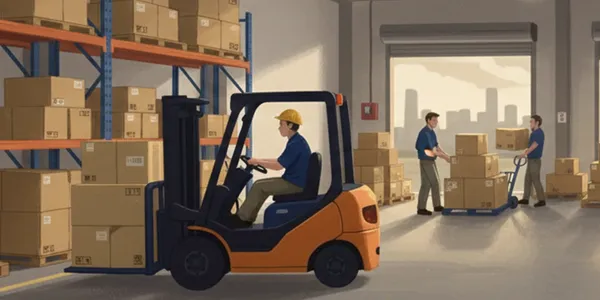
The pallet should be there. The system says it is. With a truck waiting, someone finds the same product in another location and gets the shipment out. The immediate problem is solved. What happened to the original pallet is still an open question.
DataDocks creator and CEO Nick Rakovsky describes how that familiar workaround becomes a habit. Each time the team moves on without recording what happened, the next person has less reliable information to work with.
Watch the full video below (17:44), or start with one of its most practical lessons: keep the discrepancy visible after the load leaves.
Getting the truck out leaves another job to finish
Nick calls this the “it’s okay” policy: a pallet is missing, someone borrows stock from elsewhere, and everyone carries on. Finding a replacement may be necessary. The problem is treating that replacement as the end of the investigation.
A shortage could trace back to a receiving count, a put-away error, an unrecorded movement, damage, or theft. If those events are poorly documented, the team has to reconstruct what happened after the details have faded.
That is why Nick connects inventory accuracy with the records made throughout a load’s journey. Confirm what arrives. Record where it goes. Document what leaves, along with damage and other stock adjustments.
A small omission changes what the next person sees
Take a simple example: 12 pallets arrive, then one damaged pallet is removed from available stock. There are 11 usable pallets left. If the damage is never recorded, the next picker can still be sent looking for 12.
One pallet. Two different counts.
The stock changed.
Did the record?
12 pallets received. One damaged pallet removed from available stock.
The record shows 12 available. Only 11 are usable. The damage explains the difference, but the record does not.
The same 11 usable pallets remain. Recording the damage explains why the twelfth is no longer available.
Recording the damage explains this particular difference. An unexplained missing pallet still needs someone to follow it through. Before moving on, record the discrepancy, any replacement stock used, and who will investigate it. Otherwise, the next shift inherits the same question with fewer clues.
Start with one recent stock discrepancy. Can the team follow the records from receipt to storage, through any damage or adjustments, and out to dispatch? The first gap gives you a specific process to improve.
How DataDocks helps
DataDocks helps teams capture what happened at the dock while the details are still fresh. Damage photos, inspection results, and paperwork stay attached to the relevant appointment, so the floor and office can work from the same record when something needs investigating.
See how DataDocks could work at your warehouse.