DataDocks Features

WMS & TMS Integrations

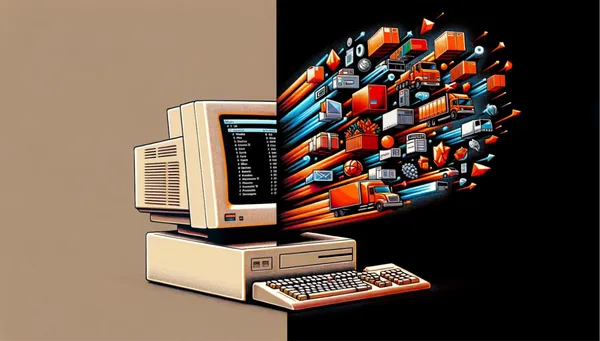
Use DataDocks as a standalone dock scheduling system or integrate it seamlessly with your WMS/TMS to eliminate double entry and streamline operations.

Trusted by the best

StitchFix HelloFresh Samsung

How to Implement This in Your Operations

DataDocks works standalone from day one; no integration required to start scheduling. When you're ready to connect your WMS or TMS, the integration uses a REST API with webhook support. Common integrations (SAP EWM, Blue Yonder, Oracle WMS, Manhattan, and major TMS platforms) have documented patterns. Your IT team or DataDocks' integration support can typically get a basic bi-directional sync running in 1–2 weeks. Start with PO sync (appointments auto-populate from your WMS) and expand from there.

flowchart TD
  classDef default fill:#faf8f5,stroke:#9c806d,stroke-width:1px,color:#000000;
  classDef action fill:#FE5000,stroke:#FE5000,stroke-width:2px,color:#FFF8EE,font-weight:bold;
  classDef core fill:#ad9686,stroke:#ece6de,stroke-width:2px,color:#FFF8EE;

  A[Carrier TMS] <-->|API/EDI| B((DataDocks)):::action
  B <-->|API| C[Warehouse WMS]:::core
  B <-->|Webhooks| D[ERP System]:::core

DataDocks as the integration bridge

DataDocks logo How DataDocks Does it Differently

Many dock scheduling tools claim "integration" but deliver a one-way CSV export. DataDocks provides true bi-directional integration: appointment data flows into your WMS, and order/PO data flows back into DataDocks. Webhooks push real-time status updates (arrived, loading, departed) to your TMS or visibility platform without polling. For legacy systems, an optional X12/EDIFACT bridge handles EDI without custom middleware.

Business Impact

Double entry is the most obvious cost: every appointment that has to be keyed into both DataDocks and your WMS wastes 2–3 minutes and introduces error risk. At 80 loads per day, that's 3–4 hours of redundant data entry. But the bigger win is data consistency; when your WMS and dock schedule are in sync, receiving can pre-stage, labour can be planned against confirmed arrivals, and your TMS has real-time dock status for carrier communication.

DataDocks doesn't operate in a vacuum. By integrating directly with your existing systems, it eliminates double data entry and keeps your entire tech stack perfectly synchronized.

Integration Capabilities

IntegrationDirectionWhat SyncsBenefit
WMS → DataDocks
Inbound
PO/ASN data auto-creates appointments
Eliminates manual appointment creation
DataDocks → WMS
Outbound
Arrival/departure timestamps
Receiving can pre-stage; labour planning
DataDocks → TMS
Outbound
Real-time dock status via webhook
Carrier gets live ETA updates
ERP → DataDocks
Inbound
Order data, carrier assignments
Single source of truth
DataDocks → BI tools
Outbound
All operational data via API
Custom dashboards and analytics

Seamless integrations form the central nervous system of a highly automated, touchless supply chain.

Integration is what turns DataDocks from a scheduling tool into a logistics data hub. When dock events (arrival, dock-in, dock-out, departure) flow automatically to your WMS, TMS, and visibility platforms, you create a continuous data stream across your supply chain. This is the foundation for end-to-end visibility, automated workflows, and the kind of cross-system intelligence that supply chain centres of excellence are built on.

Related Guides & Articles

View all resources
Dock scheduling software selection guide
Systems Integration Article

How to Choose the Right Dock Scheduling Software (and Prove ROI) in 2026

A warehouse manager's guide to selecting the right dock scheduling software. Learn the 10 must-have features, how to prove ROI, and common pitfalls to avoid.

By Chris La Porte Apr 14, 2026
Freight management software dashboard tracking shipments and carrier rates
Systems Integration Article

What is a Freight Management System?

A freight management system (FMS) is a software platform that automates and streamlines the entire freight shipping process.

By Noel Moffatt Oct 14, 2025
Robotic automation working alongside warehouse staff in a logistics facility
Systems Integration Article

Can Robotics in Logistics Improve Your Labor Efficiency?

Struggling with labor shortages? Discover when robotics and automation truly pay off in logistics: ROI facts, pitfalls, and smart starter steps for warehouses.

By Joe Fitzpatrick May 29, 2025
Illustration: Logistics Digital Twin, Virtual Truck
Systems Integration Article

Digital Twin in Logistics: Practical Use Cases and Benefits

Discover how digital twins improve logistics with real-time modeling, predictive insights, and smarter decisions—plus benefits, challenges, and how to get started.

By Joe Fitzpatrick Oct 30, 2024
Diagram comparing EDI batch processing and real-time API data exchange
Systems Integration Article

EDI vs APIs in Logistics: Real Time Alternatives and Hybrid Strategies

This guide explores the evolution from EDI to API technology in logistics. Understand the benefits, trends and challenges in transitioning.

By Joe Fitzpatrick Dec 29, 2023
Dock scheduling system assigning time slots to warehouse trucks
Systems Integration Article

What Is Dock Scheduling? A 2026 Complete Guide

Dock scheduling is one of the most overlooked areas in logistics. Learn how top operations use software to streamline arrivals and hold carriers accountable.

By Joe Fitzpatrick May 15, 2023
Systems Integration Article

Machine Learning in Supply Chains

This article provides a concise overview of practical, ready-to-use AI and machine learning applications in logistics and manufacturing sectors.

By Joe Fitzpatrick May 15, 2023
Tech Stack Illustration
Systems Integration Article

How to Build Your Supply Chain Technology Stack

A guide for operations leaders on building an effective technology stack, emphasizing gradual digital maturity over quick-fix solutions.

By Joe Fitzpatrick Apr 6, 2023
Warehouse Management Illustration
Systems Integration Article

How to get around the limitations of your WMS

This guide aims to help you navigate the shortcomings of existing logistics software with smart integrations and APIs.

By Joe Fitzpatrick Mar 28, 2023

Find out for yourself what DataDocks can do for your operations